EN
EN  DA
DA  DE
DE  NO
NO  SV
SV 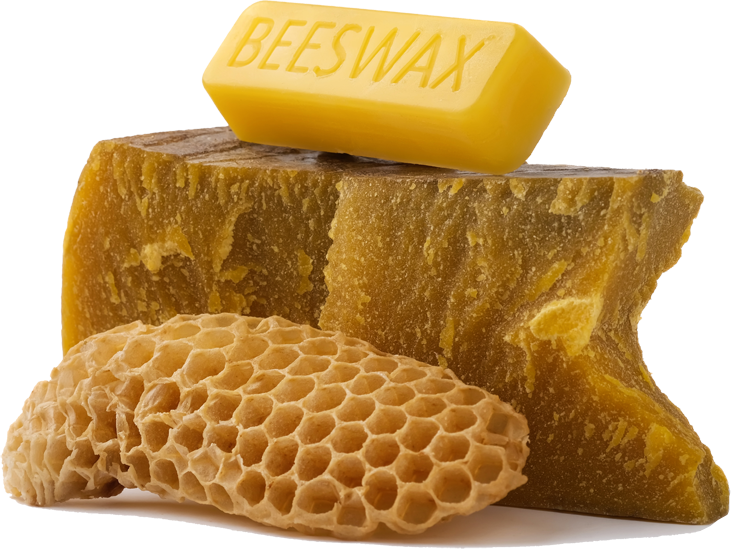
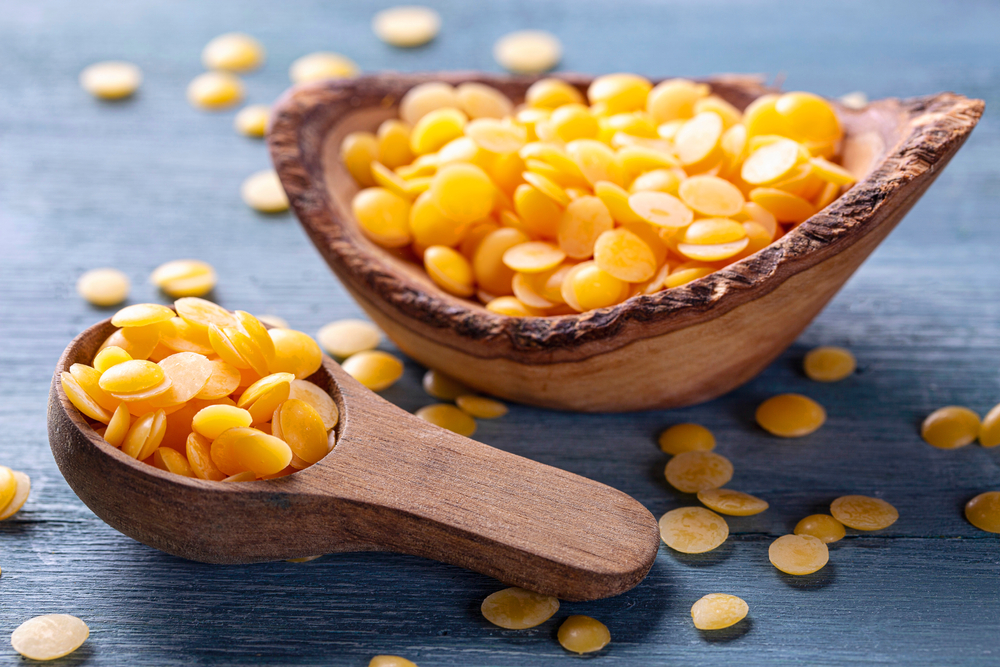
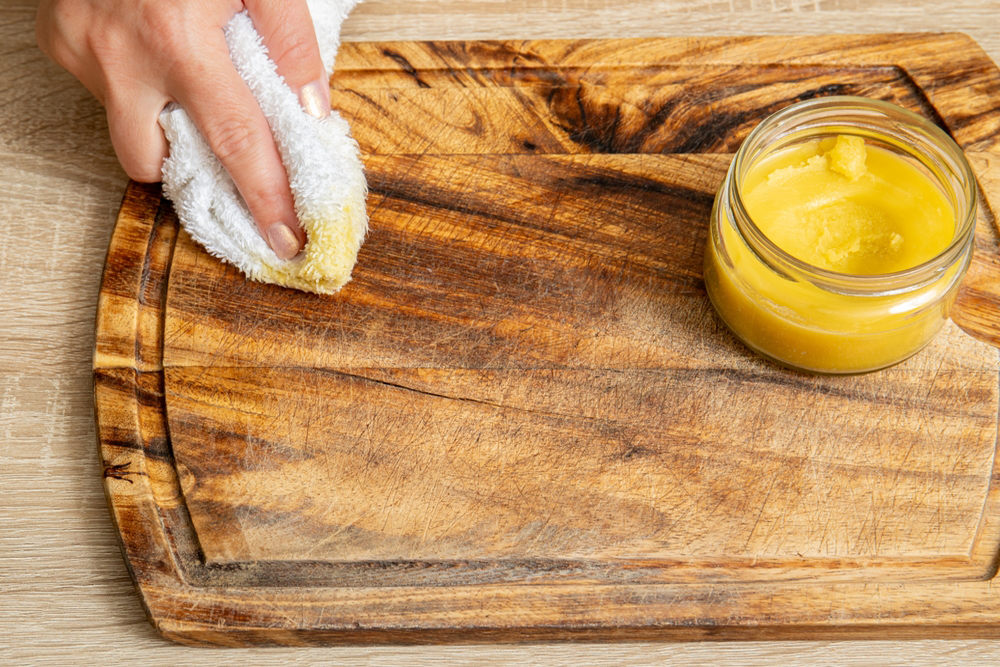
Colour is the first thing everyone asks about.
Lighter must mean better, surely? Not really. And it’s worth knowing why before you judge a batch by eye.
Fresh wax straight from the bee is nearly white. Some of what darkens it is unavoidable and perfectly harmless – pigments from pollen and propolis, and the age of the comb it came from. Cappings wax, cut fresh at harvest, is the palest there is. Old brood comb that has held generations of larvae renders out far darker. Neither is a fault.
The rest comes down to how the wax was melted, and that’s where most of the damage happens.
Heat it too hard and the honey sugars still in it caramelise. The wax turns brown and stays brown – there’s no undoing it afterwards. Hold it hot for days in a steam melter and you get the same result, just more slowly. Melt it in an iron or mild steel pot, especially with acidic honey residue still in the mix, and it picks up a dull grey-brown cast that no amount of filtering will remove. Copper and brass leave greenish tints. Even the water counts: rendering with iron-rich or very hard water darkens wax much the same way an iron pot does.
So a dark batch often says more about the equipment and the patience of whoever melted it than about the bees. Same wax, careless handling, several shades gone for good.
There’s no official colour scale to measure any of this against. Honey has one. Beeswax never got one. In practice, buyer and supplier agree on a reference sample and compare against it – which works fine between two parties and not at all beyond them.
The form fools you too. Pastilles almost always look lighter than a block of the exact same wax, because they cool fast on a chilled belt and form fine crystals that scatter light. Melt both and the colour is identical. The same goes for bloom, that pale dusty film on stored wax: it’s normal, it isn’t mould, and it disappears the moment the wax is warmed.
Now the part that matters. Pale doesn’t mean pure. Almost everything used to adulterate beeswax – paraffin, stearin, hard fats – is pale. Cutting wax with paraffin makes it lighter and more uniform, which is exactly what a buyer grading by eye wants to see. And pesticide residues from varroa treatments leave no visible trace at all. A perfectly white wax can carry a substantial load.
There’s no way around a laboratory. Adulteration and residues only show up in analysis, never in appearance.
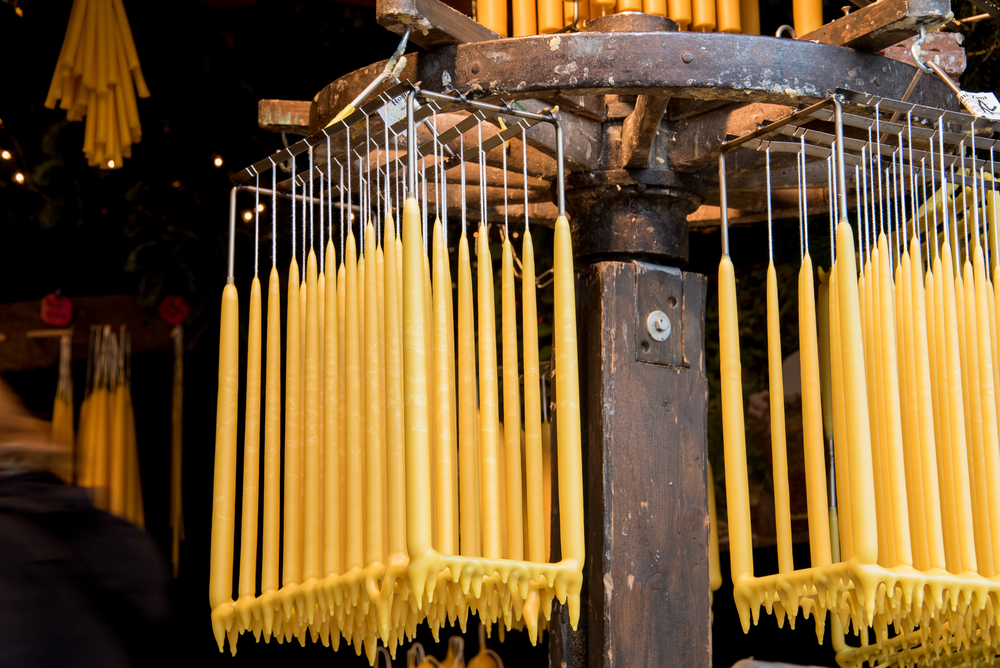
That said, colour does genuinely matter in places. In pale cosmetics, where the wax mustn’t tint the product. In pharma, where yellow (Cera flava) and white (Cera alba) are separate grades. And in candles, where the trade-off runs the other way – heavy bleaching strips out the honey scent people buy beeswax candles for in the first place.
So specify a colour if your product needs one. Just keep it separate from the question of what’s actually in the wax.
Every shipment we take in is tested by an independent accredited laboratory, and the reports are public.
→ Shop | Analysis reports | Contact